
Tuning Into Our Children: Why Attunement Matters for Connection and Emotional Regulation
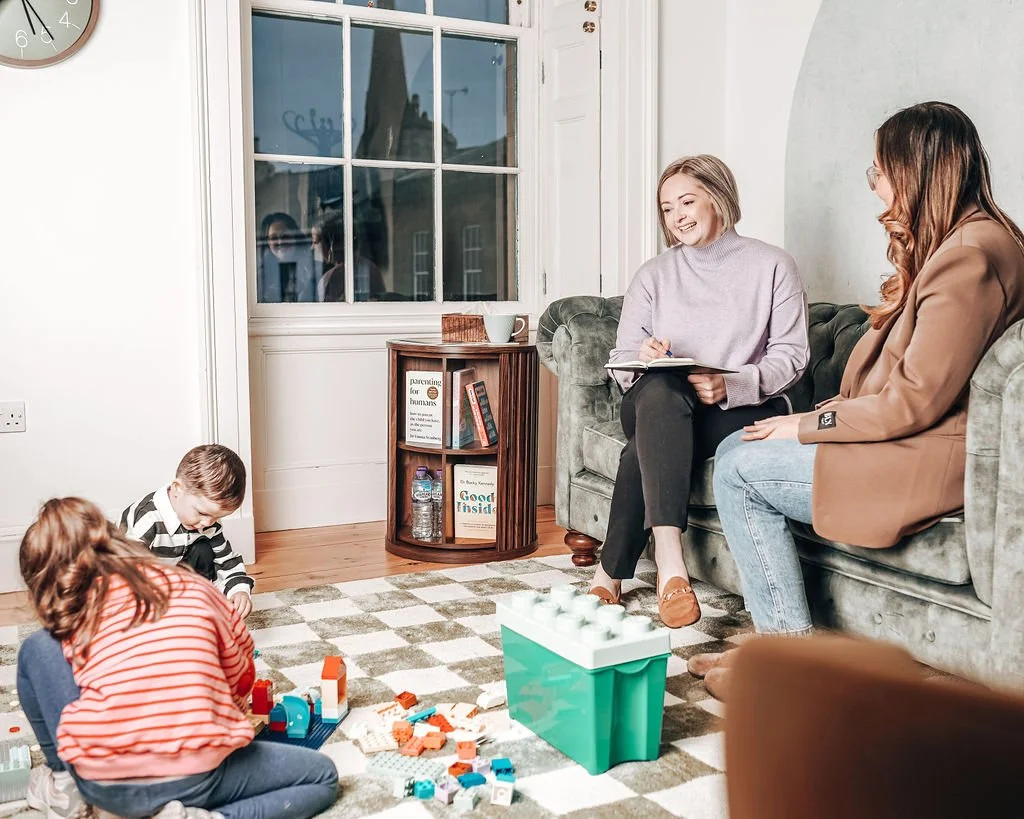
Children communicate through behaviour, emotions, and silence – not just words.
When signals are missed or misunderstood, both children and adults can become caught in cycles of frustration, tension, and disconnection.
Attunement is the practice of noticing, understanding, and responding to what your child is experiencing – not just reacting to what they’re doing.
What attunement looks like
Attunement isn’t about perfect parenting (because we don’t believe that exists). It’s about small, intentional moments:
Noticing feelings before they become overwhelming
Naming emotions (“You look really frustrated”)
Offering presence and connection before problem-solving during big emotions
These moments help children feel seen, understood, and supported – creating the foundation for emotional regulation, learning and secure relationships.
Why attunement matters
When children experience emotional attunement, they are more able to manage stress, develop confidence, and feel safe within relationships.
For parents, attunement can build confidence, reduce feelings of helplessness, and shift connection from something that feels difficult into something that supports guidance and growth.
When attunement feels hard
Many parents say, “I try, but it’s so hard when everything escalates.”
That’s human. Attunement isn’t about getting it right every time. It’s about noticing, repairing, and returning to connection. These moments teach children that relationships can remain safe, even when emotions feel big.
Looking for support with connection?
If connection feels difficult, or you’re finding that behaviours are becoming harder to understand, a consultation can offer a calm space to reflect, explore patterns, and find supportive ways forward for your family.
About the author
Dr Jemma Anderson is a Doctor in Educational and Child Psychology, HCPC Registered Educational Psychologist and Founder of Perceptive Educational Psychology Service, based in Dumfries.